When the Hurt Has No Name: Recognizing the Grief Kids Carry That No One Thinks to Ask About

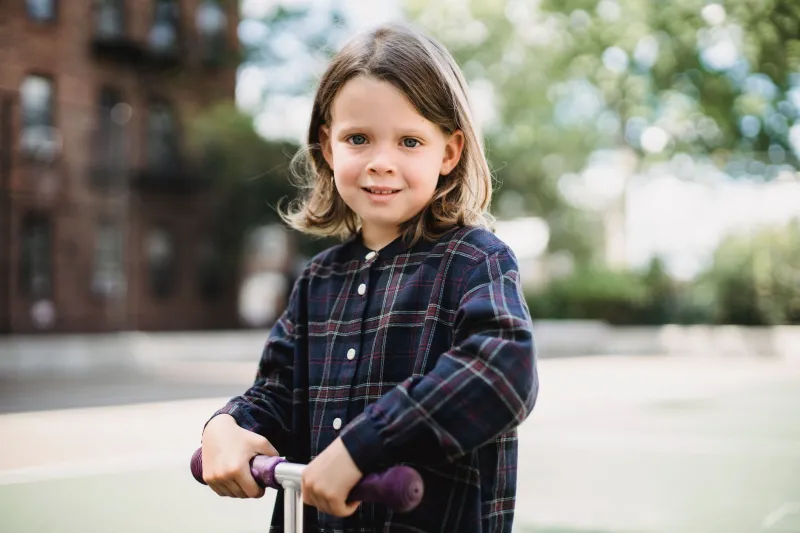
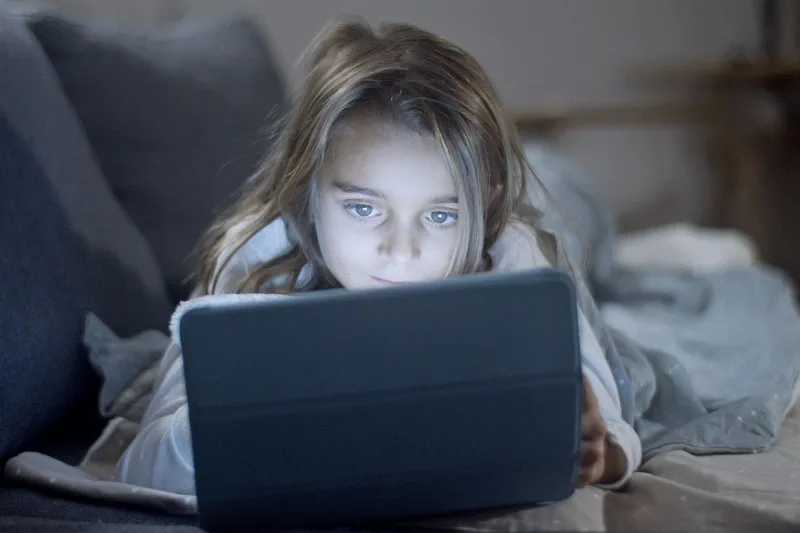
Photo: sad child sitting quietly alone looking at window reflective mood, via i1.sndcdn.com
When a child loses a grandparent, there are rituals for that. A funeral, maybe. Casseroles from neighbors. Adults who say I'm so sorry and mean it. The loss is visible, and so is the permission to grieve it.
But what about the third-grader who just moved across the country and left behind the only neighborhood she ever knew? The kid whose parents split up — not dramatically, but slowly, until the family he recognized was just gone? The girl who aged out of a beloved childhood phase and can't quite explain the quiet sadness that followed?
These are real losses. They're felt just as deeply. But because there's no occasion that marks them, no clear cultural script for grieving them, kids often don't get the support they need. Worse, they often don't even get the language to understand what they're feeling.
So they go quiet. And the grief goes underground.
The Many Shapes of a Child's Loss
Grief researchers have long recognized that loss extends far beyond death. Ambiguous loss — a term coined by therapist Pauline Boss — describes grief that lacks the social recognition of traditional bereavement. For children, ambiguous losses are everywhere.
A family relocates for a job opportunity, and a child leaves behind their school, their best friend, the tree they used to climb. To adults, it's a fresh start. To the child, it can feel like a world ending.
A parent develops a chronic illness and is physically present but emotionally unavailable. The child grieves the parent they used to have while that parent is still in the house.
A family structure shifts — divorce, remarriage, a new sibling — and the child quietly mourns the version of their family that no longer exists, even if the new one is fine.
A child ages out of something they loved — a play-based elementary school, a close-knit friend group, a neighborhood tradition — and nobody marks the transition. The loss is invisible, so the grief is too.
In each of these cases, the child often has no framework for understanding their own sadness. They may not connect what they're feeling to a loss at all. They just know something hurts, and nobody seems to notice.
Why Kids Go Silent
Children are remarkably attuned to the emotional states of the adults around them. And they're remarkably skilled at protecting those adults from discomfort.
If a child senses that their sadness about a move is making Mom feel guilty, they'll often stop showing the sadness. If they pick up that Dad's divorce grief is already overwhelming him, they'll swallow their own. Kids are not performing resilience out of strength — they're often performing it out of love and protectiveness.
There's also the simple issue of vocabulary. Grief is a complex emotional state, and even adults struggle to name it accurately. Children who don't have the language for what they're feeling often express it indirectly — through irritability, withdrawal, regression, physical complaints like stomachaches, or sudden changes in behavior that adults interpret as acting out rather than acting from pain.
A child who becomes aggressive after a family move isn't being difficult. A kid who starts wetting the bed after a divorce isn't being manipulative. These are the ways young bodies and minds communicate what words can't yet carry.
What Unprocessed Grief Does Over Time
When children don't have space to process significant losses, those losses don't disappear. They accumulate. Grief that can't be expressed tends to express itself anyway — through anxiety, through difficulty trusting relationships, through a pervasive sense of sadness that can look, to outside observers, like depression or behavioral problems.
Research on adverse childhood experiences consistently shows that unacknowledged emotional pain in childhood has long-term consequences for mental and physical health. This isn't meant to alarm — it's meant to underscore that the stakes of paying attention are real.
The good news is that children are also remarkably resilient when their emotional experiences are acknowledged and validated. You don't need to fix the loss. You just need to see it.
Strategies for Adults Who Want to Help
Name what you see, without pushing. One of the most powerful things an adult can do for a grieving child is simply name the possibility of grief without demanding confirmation. "I've been thinking about how much you loved that old house. I bet you miss it sometimes." This gives the child permission to feel something they may have been suppressing without putting them on the spot.
Create low-pressure openings. Many kids won't talk about grief directly, but they'll talk around it — during car rides, while drawing, when you're doing something side by side rather than face to face. These parallel activities reduce the intensity of direct eye contact and give kids a kind of emotional cover that makes honesty easier.
Honor the transition with ritual. When a significant change is coming — a move, a family restructuring, a school transition — consider creating a small ritual to acknowledge what's ending. This could be as simple as taking a final photo in a beloved space, writing letters to friends who won't be seen as often, or having a "goodbye dinner" for a chapter that's closing. Rituals tell children that their losses matter enough to be marked.
Validate without minimizing. The instinct to comfort often leads adults toward silver linings: You'll make new friends. This is a great opportunity. You'll feel better soon. These things may be true, but offered too quickly, they communicate that the current pain is inconvenient or wrong. Try sitting with the sadness first: "That makes sense. Losing something you loved is really hard."
Watch for the indirect signals. If a child's behavior shifts significantly — increased irritability, withdrawal, regression, physical complaints without medical cause — consider what losses may have occurred in the weeks or months prior. Ask your pediatrician. Consult a school counselor. Grief that's been internalized often needs a professional to help draw it out.
Grief That Gets Witnessed Heals Differently
At Sun Child, we know that every child carries a story — and that some of the most important chapters are the ones nobody else reads. The losses that don't come with ceremonies or casseroles are still real. The sadness that doesn't have a name is still sadness.
When an adult takes the time to notice, to gently name what a child might be feeling, to sit in the discomfort of a loss rather than rush past it — that act of witness changes something. It tells a child: your inner life is worth paying attention to. You don't have to carry this alone.
That's not a small thing. For a child learning what it means to trust the world, it might be one of the most important things they ever learn.