Not Every Kid Gets to Play: The Quiet Crisis of Unequal Access to Safe Outdoor Spaces in America
Picture two children, both eight years old, living about forty miles apart.
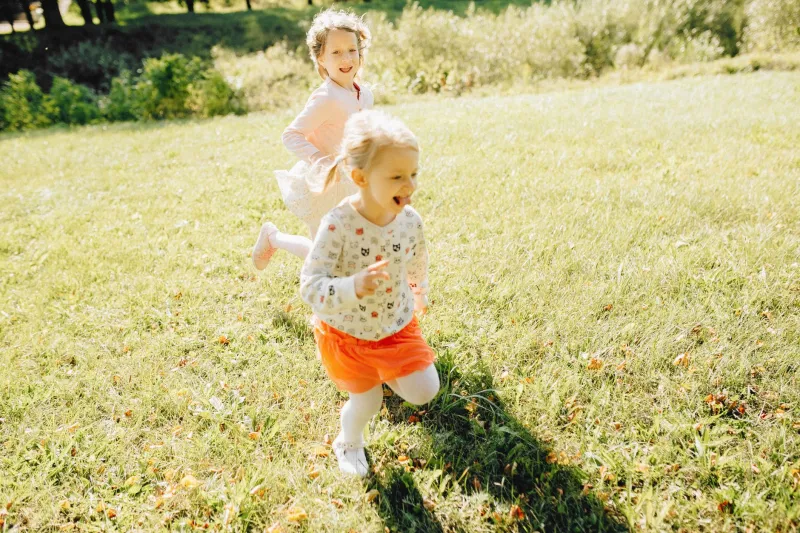
The first lives in a well-resourced suburb outside Columbus, Ohio. Her neighborhood has two playgrounds within walking distance, a community soccer field, a greenway trail her family uses on weekends, and a school with a large, well-maintained outdoor play area. She spends hours outside most days.
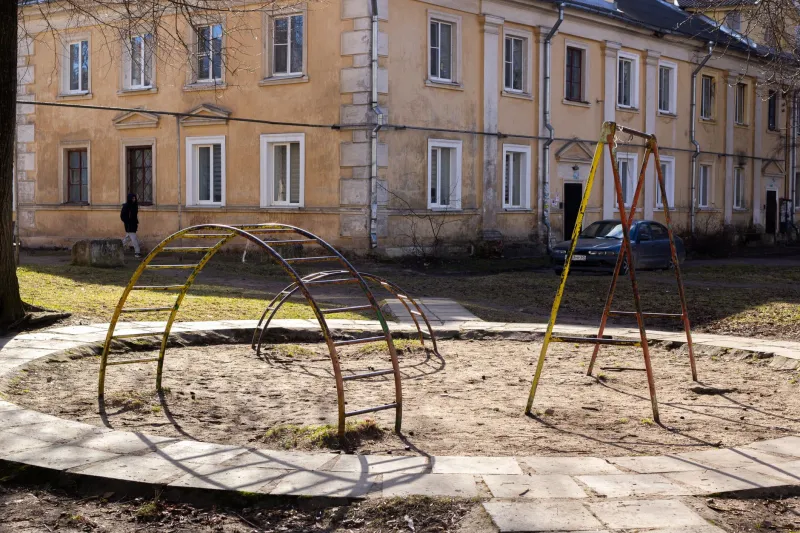
The second child lives in a low-income neighborhood on the east side of the same city. The nearest playground has broken equipment that hasn't been repaired in three years. The lot next to his apartment building — where kids used to play — was fenced off after a shooting nearby. His school's outdoor area is a cracked asphalt square with no shade and no equipment. He mostly stays inside.
Both children are growing up in the same country, in the same state, in the same general era. But in one of the ways that matters most for childhood development, they are living in completely different worlds.
The Data Behind the Disparity
This isn't anecdote. It's a documented, measurable crisis.
A 2021 report from the Trust for Public Land found that roughly 100 million Americans — including tens of millions of children — live more than a ten-minute walk from a public park. The gap is starkest in low-income communities and communities of color. Neighborhoods with majority non-white populations have, on average, four times less park space than majority-white neighborhoods. And what park space exists in under-resourced areas is frequently in poor condition — broken equipment, inadequate lighting, no shade, no bathrooms.
In rural America, the picture looks different but is no less concerning. Rural children often have physical space around them, but lack organized, safe recreational infrastructure. Community centers have closed. School budgets have been cut. Distances make access to any shared play space difficult without reliable transportation.
"We talk a lot about food deserts in this country," says Dr. Pooja Tandon, a pediatric researcher at Seattle Children's Hospital who has studied play access inequity. "But we don't talk nearly enough about play deserts — and the health consequences are just as serious."
What Children Lose When They Can't Play Outside
The stakes here are not abstract. When children don't have safe places to play outdoors, the consequences ripple through every dimension of their development.
Physically, kids who lack access to safe outdoor spaces are significantly more likely to be sedentary, which is tied to higher rates of childhood obesity, cardiovascular issues, and vitamin D deficiency. The Centers for Disease Control and Prevention has consistently linked neighborhood walkability and park access to childhood health outcomes.
Mentally and emotionally, the effects are just as severe. Research published in the International Journal of Environmental Research and Public Health found that children with limited access to green outdoor spaces showed higher rates of anxiety, depression, and behavioral problems. Nature isn't a luxury — it's a developmental need.
Academically, the ripple effects reach classrooms too. Kids who are stressed, sedentary, and lacking in outdoor stimulation tend to struggle with attention, emotional regulation, and academic engagement. The absence of safe play spaces doesn't just affect recess — it affects everything.
Communities Fighting Back
Across the country, families, organizations, and local leaders are refusing to accept this as inevitable. Their stories matter.
Detroit's PlayDetroit Initiative
In Detroit — a city that has faced decades of disinvestment — a coalition called PlayDetroit has been working since 2017 to transform vacant lots and neglected spaces into vibrant, community-designed play areas. What makes the initiative distinctive is its model: residents, including children themselves, help design the spaces. The result is playgrounds that reflect the culture and needs of the communities they serve, not generic structures dropped in from a catalog.
By 2023, PlayDetroit had activated dozens of sites across the city, serving thousands of children who previously had nowhere safe to play nearby.
The Navajo Nation's Push for Playground Equity
On the Navajo Nation — the largest Native American territory in the US, spanning parts of Arizona, New Mexico, and Utah — children often live hours from any public park or recreational facility. A grassroots effort led by tribal members and supported by national nonprofit partners has been building community playgrounds in remote areas, prioritizing locations near schools and chapter houses. The project has faced significant logistical challenges, but organizers say the response from families has been overwhelming.
"When we put up the first swing set in one of our communities, kids came from miles around," one tribal coordinator told a regional outlet. "It sounds small. It isn't."
Urban Green Spaces in Houston's Fifth Ward
Houston's Fifth Ward — a historically Black neighborhood — has long been underserved by the city's park system. A partnership between local advocacy groups and the city's parks department has been working to convert underused land into green play corridors, with particular attention to safety, lighting, and community programming. Residents have been central to the planning process, ensuring the spaces serve real needs rather than checking a bureaucratic box.
The Policy Problem
These community efforts are inspiring. They're also a symptom of a systemic failure.
Park funding in the US is deeply inequitable by design. Most local park systems are funded through property taxes, which means wealthier communities generate more revenue for parks — and poorer communities generate less. Federal funding for recreation infrastructure exists but is chronically underfunded and difficult for smaller municipalities to access. And in rural areas, there often isn't a municipality at all with the capacity to pursue grants or manage facilities.
Advocates argue that closing the play gap requires federal and state-level policy changes: dedicated funding streams for under-resourced communities, technical assistance for rural areas, and equity audits of existing park systems to identify and address disparities.
"This is a public health issue, a civil rights issue, and an education issue all wrapped into one," says Kathryn Gustafson, a landscape architect and child welfare advocate. "We wouldn't accept a world where only some kids have access to schools. We shouldn't accept one where only some kids have access to safe places to play."
What You Can Do Right Now
At Sun Child, we believe every child deserves the chance to run, climb, explore, and simply be a kid — safely, and close to home. Closing this gap requires all of us.
Here's how you can get involved:
- Contact your local parks department and ask how park funding is allocated across your city or county. Request an equity breakdown.
- Support organizations like the Trust for Public Land, KaBOOM!, and local playground advocacy groups working in under-resourced communities.
- Show up at city council or school board meetings when park budgets or school playground improvements are on the agenda.
- Talk to your neighbors. Community advocacy starts with conversation. If your neighborhood lacks safe play space, you're probably not alone in noticing.
- Donate or volunteer with initiatives building play spaces in low-income or rural areas — many run on shoestring budgets and genuinely need hands-on help.
Every child's brightest future depends, in part, on something as fundamental as a safe place to play. That's not a small thing. That's everything.