Let Them Run Wild: Science Says the Great Outdoors Is One of the Best Classrooms Around
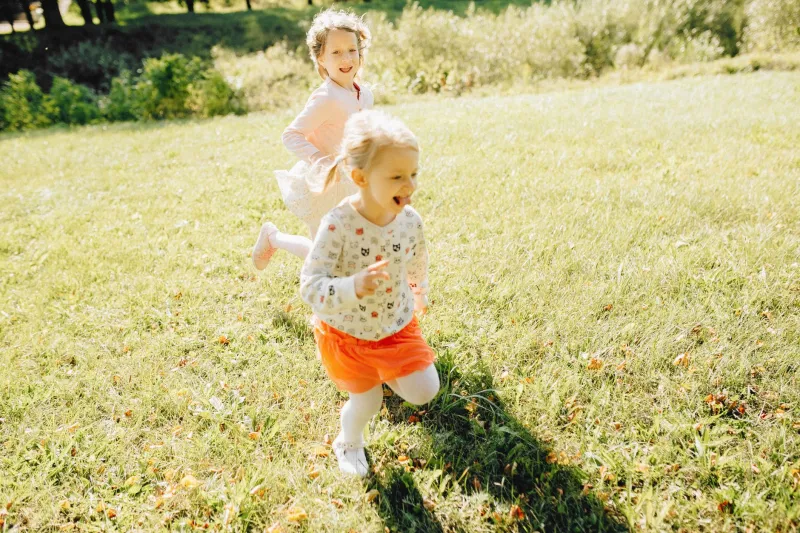
There's something almost magical about watching a child discover a caterpillar on a leaf, splash through a puddle without a second thought, or lie flat on their back staring up at clouds. It looks like simple play. But researchers, educators, and child development experts will tell you — what's happening in those moments is anything but simple.
Science has been quietly building a compelling case for years: outdoor time isn't just good for kids' bodies. It's transformative for their minds, their emotional lives, and even their ability to learn in school. At Sun Child, our whole mission is about nurturing the complete child — and that means paying attention to what the evidence says about where kids thrive best.
So let's get into it. Here are 10 outdoor activities that are genuinely good for your child's brain, heart, and sense of self — and the science that backs them up.
1. Unstructured Free Play in Natural Spaces
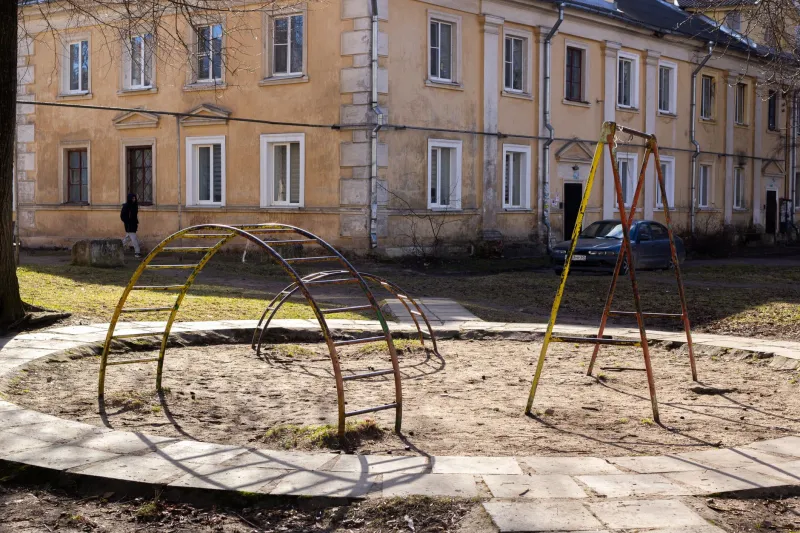
Let kids roam. Seriously. Research from the American Academy of Pediatrics has consistently shown that unstructured outdoor play builds executive function — the mental skills kids use to plan, focus, and manage emotions. Whether it's a city park, a suburban backyard, or a patch of grass near an apartment complex, giving children time to direct their own play without adult instruction helps them develop creativity and self-regulation.
Try it: Set a timer for 30 minutes and step back. Let them lead.
2. Gardening — Even in a Pot
You don't need a sprawling yard to get the benefits of gardening. Studies published in journals like HortScience have linked gardening activities in children to improved attention, reduced anxiety, and even better academic engagement. Caring for a living thing teaches patience, responsibility, and cause-and-effect thinking.
Try it: A single tomato plant in a container on a balcony or stoop works just fine. Let your child water it, track its growth, and (eventually) eat the results.
3. Nature Journaling
Combining outdoor observation with drawing or writing creates a powerful learning loop. According to research on environmental education, nature journaling boosts both scientific thinking and literacy skills. Kids who document what they see — a bird, a rock formation, a changing leaf — practice close observation, vocabulary, and reflection.
Try it: Grab a cheap notebook and some colored pencils. Head outside and ask your child to draw or describe three things they notice. No rules, no grades.
4. Hiking and Trail Walking
"Time in nature reduces cortisol levels and activates the brain's default mode network, which is linked to creativity and emotional processing," says Dr. Ming Kuo, a researcher at the University of Illinois who has spent decades studying nature's effects on children. Even a short walk through a local trail or wooded park can shift a child's stress response.
Try it: Search AllTrails.com for kid-friendly hikes near you — there are options in every state, including urban areas.
5. Outdoor Sensory Play
DiG in the dirt. Build with sticks. Splash in streams. Sensory-rich outdoor environments stimulate neural pathways in ways that indoor play often can't. For younger children especially, sensory play supports language development, fine motor skills, and emotional regulation. Occupational therapists frequently recommend "messy" outdoor play for kids who struggle with sensory processing.
Try it: Create a simple mud kitchen with old pots and spoons. Dirt is free, and the developmental payoff is real.
6. Stargazing
Looking up at the night sky sparks curiosity in a way few other activities can. Research on awe — that sense of wonder at something vast — shows it increases prosocial behavior, reduces stress, and encourages children to think beyond themselves. Astronomer and educator Jedidah Isler has noted that early exposure to the cosmos "plants seeds of curiosity that grow into lifelong learners."
Try it: Download a free app like Star Walk Kids and spend 20 minutes outside after dark. Even city skies reveal the moon, planets, and major stars.
7. Community Clean-Up Projects
Outdoor service activities — picking up litter in a local park, planting flowers in a neighborhood median — combine physical activity with purpose. Studies on youth volunteerism show that children who participate in community service demonstrate higher empathy, stronger self-esteem, and greater civic engagement. It also gives kids a sense of ownership over their environment.
Try it: Check with your local parks department or neighborhood association. Many run regular clean-up days that welcome families.
8. Sports and Active Games (Without the Pressure)
Kick a ball. Play tag. Shoot hoops. Aerobic outdoor play increases blood flow to the prefrontal cortex — the part of the brain responsible for decision-making and learning. A landmark study from the University of Illinois found that just 20 minutes of aerobic activity improved children's attention and academic performance measurably.
Try it: Keep it low-stakes. The goal isn't competition — it's movement. Relay races, obstacle courses made from sticks and rocks, or simple games of catch all count.
9. Bird Watching
It sounds quiet, but birdwatching is surprisingly engaging for kids. It requires patience, attention, and problem-solving — all skills that transfer directly to the classroom. Research out of Cornell University's Lab of Ornithology found that children who participated in bird observation programs showed increased focus and a greater connection to their natural environment.
Try it: Print a free bird checklist for your region from Audubon.org and make it a family challenge to spot as many as you can in a month.
10. Outdoor Reading
Sometimes the simplest shift makes the biggest difference. Research suggests that children read more willingly and with greater comprehension when they choose their own books and their own reading spots. Pair that with natural light and fresh air, and you've got an environment that supports focus without the distractions of screens or indoor noise.
Try it: Let your child pick a book — any book — and find a spot outside to read together. Under a tree, on the front steps, in the bed of a pickup truck. Location matters less than the habit.
The Bigger Picture
None of these activities require a membership, a car, or a big budget. That's intentional. At Sun Child, we believe every child — regardless of zip code, income, or circumstance — deserves access to the kinds of experiences that help them grow into their fullest selves. The outdoors is one of the most democratizing classrooms we have.
So the next time you're tempted to fill the afternoon with structured screen time, remember: sometimes the best thing you can do for your child's future is open the door and let them run.