Too Much, Too Soon: The Growing Burnout Crisis Stealing Childhood Right Out From Under Our Kids

Somewhere between soccer practice and SAT prep tutoring, between the school science fair and the travel baseball tournament, a lot of American kids are quietly falling apart. They're not throwing tantrums or acting out — in fact, many of them are doing everything "right." They're hitting their marks, showing up on time, and smiling for the photos. But inside? They're running on fumes.
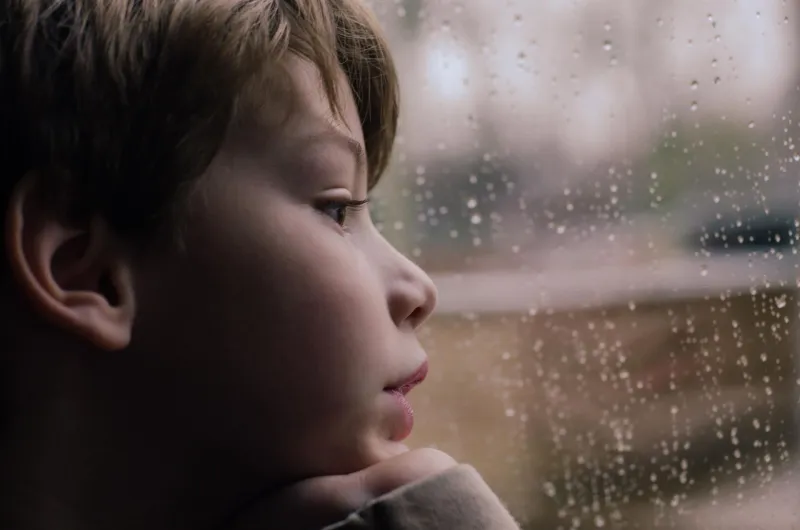
Childhood burnout — once considered a fringe concept — is increasingly being recognized by pediatricians, child psychologists, and school counselors as a genuine and growing crisis. And it's hitting kids younger than ever. We're talking about nine and ten-year-olds who dread Monday mornings. Eleven-year-olds who cry in the car on the way to activities they used to love. Twelve-year-olds who can't remember the last time they felt truly rested.
At Sun Child, we believe every kid deserves a childhood that actually feels like one. So let's talk honestly about what's happening, why it's happening, and what families can do about it.
What Burnout Actually Looks Like in Kids
Adult burnout gets a lot of attention — it's discussed in offices, therapists' waiting rooms, and wellness podcasts everywhere. But when a child experiences it, the signs can look different, and they're easy to miss or misread.
Watch for a combination of these warning signals:
- Persistent fatigue that sleep doesn't fix. Your kid is getting eight hours but still dragging through the day.
- Loss of enthusiasm for things they used to love. The sport, the instrument, the art class — suddenly it's all just "whatever."
- Increased irritability or emotional fragility. Small frustrations trigger big meltdowns. Patience disappears.
- Frequent physical complaints. Stomachaches, headaches, and vague illnesses that don't have a clear medical cause.
- Declining school performance despite effort. They're trying, but the mental bandwidth just isn't there.
- Withdrawal from friends and family. Social connection starts to feel like one more thing on an already overwhelming list.
None of these symptoms alone is a red flag. But when several show up together and persist over weeks, it's worth paying attention.
The Culture We've Built Around Kids
To understand burnout in children, you have to look at the environment we've created for them — and that takes some honest self-reflection as a society.
Academic pressure starts earlier than ever. In many US school districts, kindergartners are being assessed, tracked, and compared in ways that would have seemed absurd a generation ago. By the time kids hit third or fourth grade, the message has already sunk in: performance matters, and falling behind has consequences.
Then there's the extracurricular arms race. Somewhere along the way, a child's schedule became a kind of resume. Music lessons, travel sports, coding camps, debate club, community service hours — all of it framed, consciously or not, as preparation for a competitive college application that's still a decade away. Parents often feel pressure to keep up with what other families are doing, and kids absorb that anxiety like a sponge.
And we can't ignore social media. Even for kids who aren't on the major platforms yet, the culture of comparison bleeds through. They see highlight reels — of peers' achievements, of curated "perfect" lives — and internalize a standard of busyness and accomplishment that's genuinely impossible to sustain.
The result is a generation of children who have very little unstructured time, very little genuine rest, and a deeply embedded belief that their worth is tied to their productivity.
What the Research Is Telling Us
The data backs up what parents and teachers are seeing in real life. Studies from the American Psychological Association have consistently shown that teens and pre-teens in the US report stress levels that rival or exceed those of adults. Anxiety disorders are now the most common mental health condition among children, affecting roughly one in eight kids.
Researchers who study child development have long emphasized the critical role of free, unstructured play in building resilience, creativity, and emotional regulation. When that play gets crowded out — and it has been, dramatically — kids lose more than just leisure time. They lose the developmental experiences that help them learn to manage boredom, navigate conflict, and simply exist without external stimulation or evaluation.
Dr. Kenneth Ginsburg, a pediatrician and researcher at Children's Hospital of Philadelphia, has been sounding the alarm on this for years. His work emphasizes that children need downtime not as a reward, but as a biological and psychological necessity.
Helping Your Child Find Their Way Back
The good news is that burnout isn't permanent, and families have real power to shift the dynamic. It doesn't require a dramatic overhaul overnight — small, consistent changes can make a meaningful difference.
Start by auditing the schedule together. Sit down with your child — not to lecture, but to genuinely listen — and ask them which activities bring them joy and which ones feel like obligations. You might be surprised by the answers. Some kids are desperate to drop something they've been doing for years but never felt they had permission to quit.
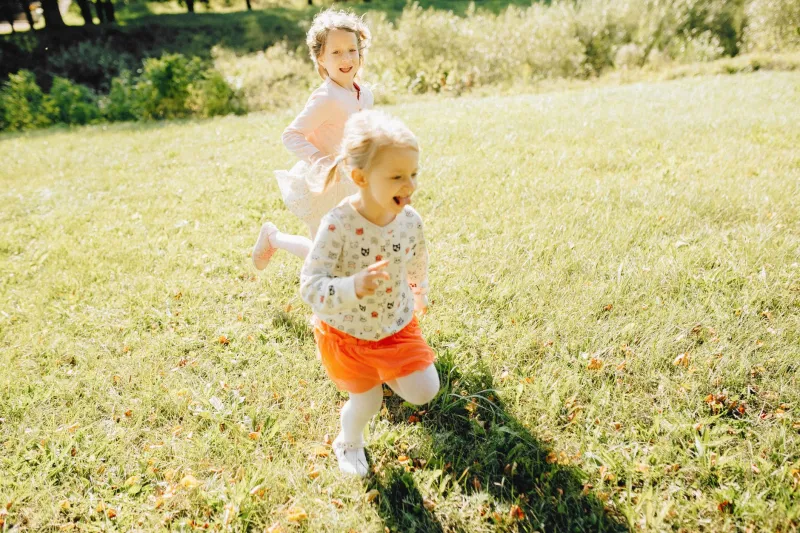
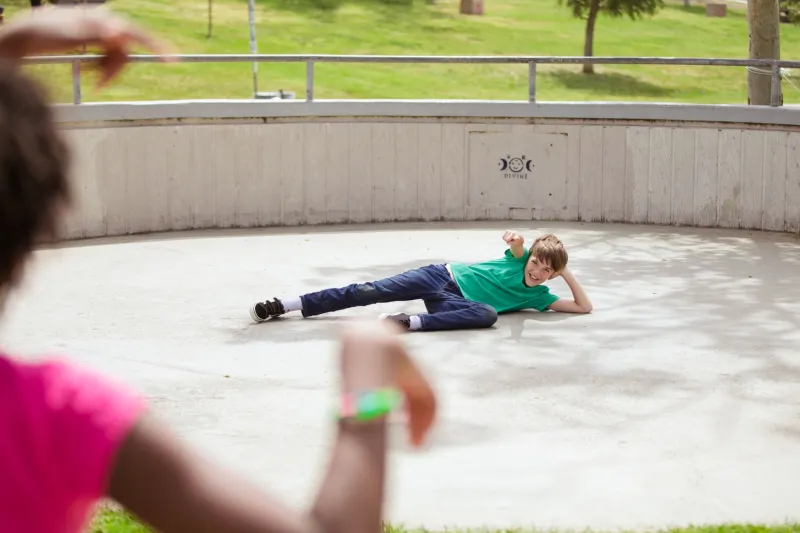
Protect unscheduled time like it's sacred. Because it is. Kids need hours in the week with no agenda — time to be bored, to invent games, to lie on the grass and stare at clouds. This isn't wasted time. It's actually some of the most developmentally rich time a child can have.
Model rest without guilt. Kids are watching how we treat our own downtime. If they see the adults in their lives constantly hustling, treating relaxation as laziness, and glorifying busyness, they'll internalize that framework. Let them see you rest. Let them hear you say, "I'm taking a break because I need one."
Create tech-free zones and times. Screens aren't the enemy, but constant connectivity keeps the nervous system in a low-grade state of stimulation. Dedicated offline time — especially before bed and during meals — helps kids decompress in ways that scrolling simply doesn't allow.
Talk openly about pressure and feelings. Normalize the conversation. Ask your kids, "What's feeling hard lately?" rather than "How did you do on the test?" The shift in framing signals that their inner experience matters as much as their output.
Consult a professional if needed. If your child's symptoms are severe or persistent, a pediatrician or child therapist can help rule out other causes and offer targeted support. Burnout can sometimes look like depression or anxiety disorders, and it's worth getting a professional read.
A Different Kind of Achievement
Here at Sun Child, we talk a lot about nurturing kids' brightest futures. But brightness doesn't mean burning at full intensity every single moment. A flame that never gets tended — never rests, never gets oxygen — eventually goes out.
The most resilient, creative, and genuinely thriving adults aren't the ones who were the most overscheduled kids. They're the ones who learned, somewhere along the way, that they were worthy of rest. That joy was not something to be earned through performance. That childhood itself had value, not just as preparation for adulthood, but as a season of life worth living fully.
Our kids deserve that. And with a little intentionality, we can help them get it back.