When Winter Hits Hardest: Seasonal Depression in Kids Who Can Least Afford to Struggle
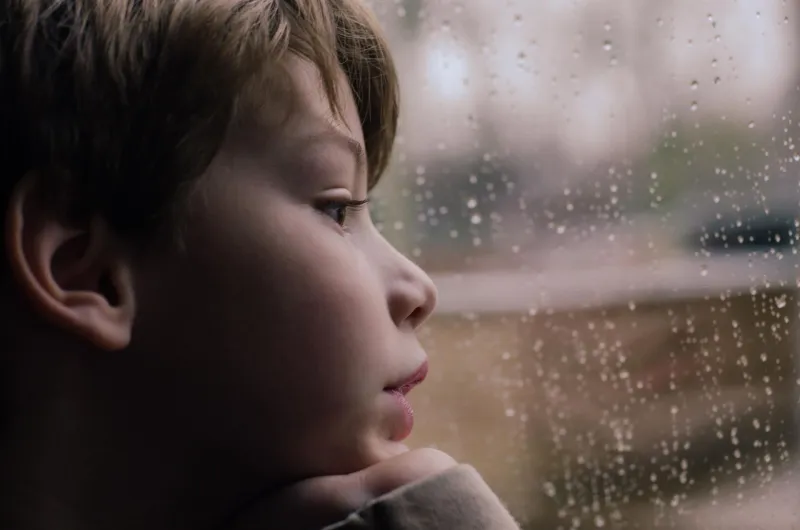
Somewhere around late October, the days start getting shorter, the air gets colder, and a lot of kids just... dim a little. They sleep more, pull away from friends, lose interest in the things they used to love. For many families, it reads like a rough patch — a seasonal mood that'll lift when the holidays roll around.
But for some children, especially those growing up in low-income households, what looks like a funk can be something more serious: seasonal affective disorder, or SAD. And the hard truth is that these kids are often the least likely to get the help they need.
What Is SAD, and Why Are Kids at Risk?
Seasonal affective disorder is a type of depression tied to changes in daylight and season. It typically kicks in during fall and winter, when sunlight is scarce, and tends to ease up in spring. Adults get most of the attention when it comes to SAD, but children and teenagers are absolutely not immune — and experts say the condition may be significantly underdiagnosed in younger populations.
"Kids don't always have the language to describe what they're feeling," says Dr. Priya Anand, a child psychologist based in Chicago. "They might just seem irritable, or suddenly hate school, or complain of stomachaches. Parents and teachers often don't connect those dots to something like seasonal depression."
The biology here matters. Sunlight plays a key role in regulating the body's production of serotonin and melatonin — two chemicals deeply tied to mood and sleep. When kids don't get enough natural light exposure, those systems can fall out of balance, leaving them foggy, withdrawn, and emotionally flat.
Why Low-Income Kids Bear a Heavier Load
Here's where things get particularly unfair. The factors that make SAD worse — limited outdoor time, poor indoor lighting, high stress, inadequate nutrition, and lack of access to mental health care — tend to cluster around poverty.
Families living in crowded apartments or urban housing often don't have safe outdoor spaces readily available, especially in winter. Kids may spend most of their daylight hours indoors, either at school under fluorescent lights or at home in rooms that don't get much natural sunlight. After school, when the sun sets early, outdoor play simply isn't an option for many.
Add to that the financial strain many of these families carry year-round. Economic stress in the household is a well-documented risk factor for childhood depression, and the pressure tends to intensify during the holiday season — a time that's supposed to feel joyful but can feel isolating when money is tight.
And then there's the access gap. Mental health services remain out of reach for millions of American families. Long waitlists, high copays, a shortage of therapists who accept Medicaid, and cultural barriers all make it harder for low-income children to get diagnosed and treated. Many never receive any support at all.
"We're talking about kids who are already carrying a lot," says Marcus Webb, a school counselor in Detroit who works primarily with Title I schools. "When seasonal depression layers on top of everything else — food insecurity, housing instability, family stress — it can really knock a child off course."
Signs Every Caregiver Should Know
Recognizing SAD in children isn't always straightforward, but there are patterns worth watching for as the seasons shift:
- Persistent low energy or fatigue, even after adequate sleep
- Increased irritability or emotional outbursts that seem out of character
- Withdrawal from friends, family, or favorite activities
- Changes in appetite, often craving carbohydrates or comfort foods
- Difficulty concentrating or a sudden drop in school performance
- Sleeping significantly more than usual, or complaining of always feeling tired
If these signs show up consistently over two or more weeks and track with the seasonal change, it's worth talking to a pediatrician or school counselor — even if access to a specialist isn't immediately available.
What Schools Can Actually Do
Schools are one of the most powerful levers we have for reaching kids who wouldn't otherwise get support, and some districts are starting to take that seriously.
A handful of schools in the Pacific Northwest — a region notorious for its gray winters — have experimented with installing light therapy panels in common areas and counseling offices. The early feedback has been encouraging. Students who spend even 20 to 30 minutes near a light therapy lamp during the school day report improved alertness and mood.
Beyond light therapy, schools can prioritize outdoor recess even in cold weather. Research consistently shows that time outside — even brief exposure to natural daylight — improves mood, focus, and behavior in children. Bundling up and heading out matters more than most people realize.
Training teachers and staff to recognize early warning signs of depression in students is another high-impact, low-cost move. When the adults in a child's daily life know what to look for, kids are more likely to get connected to support before things spiral.
Community Programs Leading the Way
Across the country, some organizations are stepping up in creative ways to fill the gaps that families and schools can't fill alone.
In Minneapolis, a community health initiative called Winter Wellness Walks partners with local recreation centers to offer free guided outdoor walks for families every weekend from November through February. The program prioritizes outreach to low-income neighborhoods and provides free winter gear to families who need it. Participation has grown steadily, and organizers say the social connection piece — just getting families out and moving together — has been as valuable as the sunlight.
In Philadelphia, a nonprofit called Bright Mornings distributes low-cost light therapy lamps to families on Medicaid who have children showing signs of seasonal depression. A pediatrician referral is all it takes to receive one. The program has a waitlist, which speaks to both the demand and the unmet need.
These models aren't perfect, and they don't reach everyone who needs them. But they show what's possible when communities decide to take childhood mental health seriously — especially for the kids who have the fewest resources to fall back on.
What Families Can Do Right Now
If you're a parent or caregiver navigating a tight budget and a child who seems to be struggling through winter, there are a few practical things that can genuinely help:
Get outside in the morning when you can. Even 15 to 20 minutes of morning daylight — before the sun gets low — can help regulate your child's internal clock and mood. A short walk to school counts.
Open the blinds. It sounds simple, but maximizing natural light inside the home during daylight hours makes a real difference for kids who spend a lot of time indoors.
Keep routines steady. Depression — seasonal or otherwise — thrives on chaos. Consistent sleep schedules, regular mealtimes, and predictable after-school rhythms give kids a sense of stability that supports emotional health.
Talk to your child's school. Counselors may be able to provide support, connect you with community resources, or simply keep a closer eye on how your child is doing during the darker months.
Lean on community resources. Many libraries, community centers, and parks departments offer free or low-cost winter programming for kids. Getting your child around other children — even in a low-key setting — can be a powerful antidote to isolation.
Every Child Deserves to Thrive in Every Season
Seasonal depression is real, it affects children, and it hits harder when resources are thin. The good news is that it's also treatable — and communities have real power to change the equation for kids who are struggling.
At Sun Child, we believe every child deserves support that meets them where they are, whatever season they're in. That means advocating for better mental health access in schools, investing in community programs that prioritize underserved families, and making sure no child has to white-knuckle their way through winter alone.
The sun will come back. Let's make sure our kids are okay while we wait for it.