Unplugged and Outside: What Happens to Kids When Summer Finally Sets Them Free
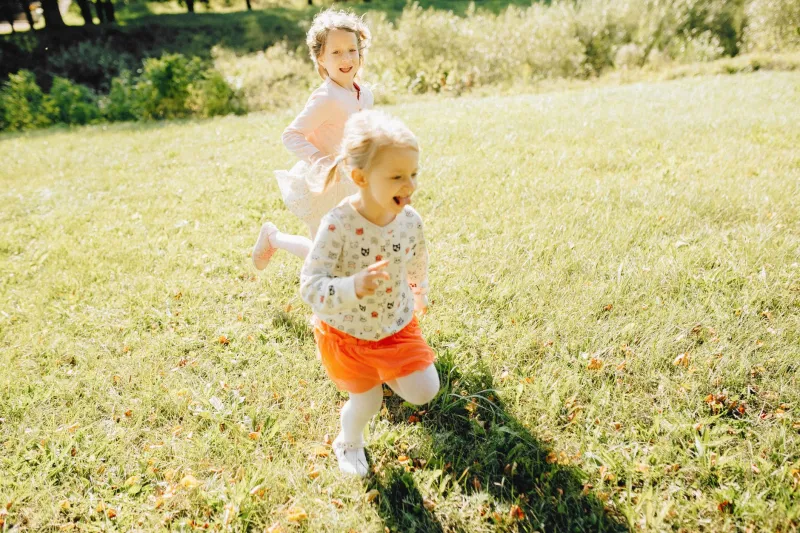
There's something almost magical about the first real day of summer break — no alarm clocks, no homework, no permission slips. For a lot of kids, it's the closest thing to pure freedom they'll experience all year. But somewhere along the way, that freedom started getting smaller. Screens got bigger, backyards got quieter, and "going outside" stopped being the default plan.
At Sun Child, we believe every kid deserves the chance to soak up that freedom — literally. Because the science is clear: what children do with their summer hours has a profound effect on who they become when September rolls back around.
The Summer Slide Is Real — and It Starts Earlier Than You Think
You've probably heard the term "summer slide" — the learning loss that happens when kids step away from structured academics for two or three months. Researchers have been tracking this phenomenon for decades, and the numbers are sobering. On average, students lose about two months of reading progress and even more in math over the summer. For kids from low-income families, that slide can be steeper and harder to recover from.
But here's what doesn't always make the headlines: the summer slide isn't just academic. It's physical. It's emotional. When children spend the bulk of their break indoors — scrolling, streaming, gaming — their bodies and minds miss out on something essential.
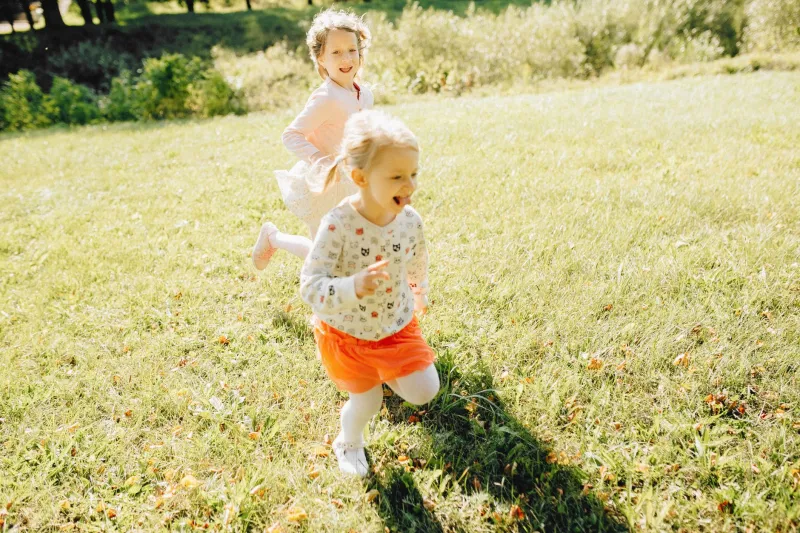
A growing body of research connects extended outdoor exposure during summer months to better sleep quality, improved attention spans, reduced anxiety, and stronger immune function heading into fall. In other words, the hours kids spend running through sprinklers, building forts, or just lying in the grass watching clouds might be doing more for their school readiness than any workbook ever could.
What Screens Are Quietly Replacing
Let's be honest — screens aren't going anywhere, and that's okay. Technology is part of life. But there's a difference between healthy use and what researchers call "displacement behavior," where screen time starts crowding out activities that kids genuinely need.
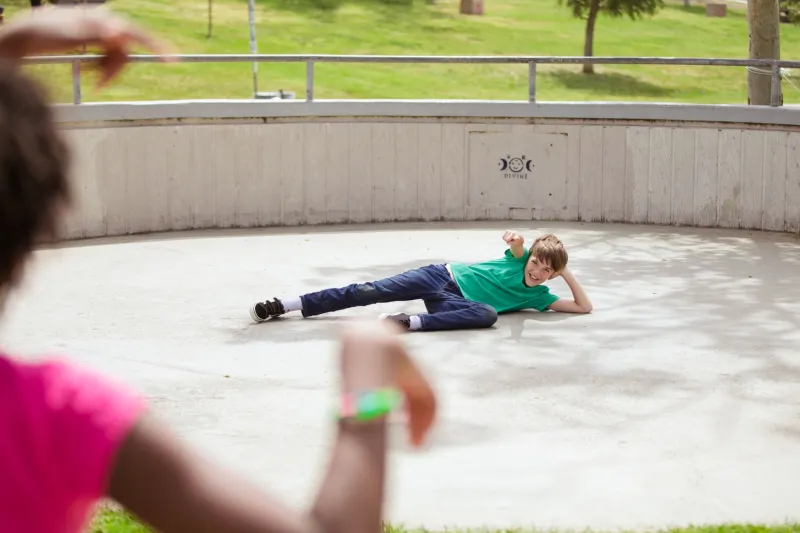
When a child spends six or seven hours a day on a device during summer, they're not just missing out on sunlight and fresh air. They're missing unstructured play — the kind where they have to make up the rules, negotiate with other kids, and figure things out without an adult guiding every step. That kind of play is where emotional resilience gets built. It's where creativity lives.
Pediatric researchers at the American Academy of Pediatrics have long emphasized that unstructured outdoor play is one of the most developmentally rich experiences a child can have. It builds executive function, fosters independence, and gives kids a sense of competence that structured activities — even great ones — sometimes can't replicate.
The irony? Many families restrict outdoor time because they worry about safety, while indoor screen time feels controllable and familiar. The risks feel reversed from what the data actually shows.
The Gap That Doesn't Get Enough Attention
Here's where things get complicated — and where communities need to step up.
For families with resources, summer looks like camps, vacations, swimming lessons, and weekend hikes. Kids from higher-income households are far more likely to spend meaningful time outdoors during the summer months, often in organized settings that combine fun with skill-building.
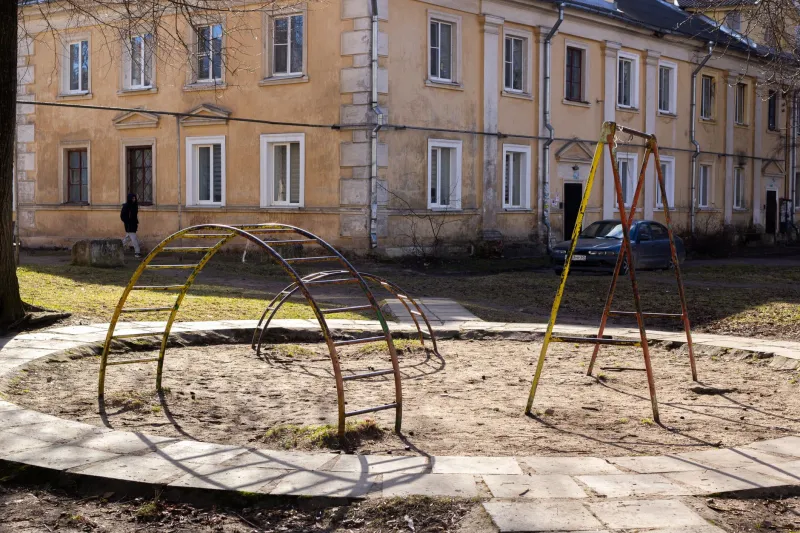
For children in lower-income families, summer can mean something very different. It might mean hours alone at home while parents work, limited access to safe outdoor spaces, no budget for camps or programs, and neighborhoods where going outside doesn't always feel like a safe option.
This disparity has real consequences. Studies consistently show that the summer slide hits hardest in communities already facing educational and economic disadvantages. The kids who most need the restorative power of outdoor summer time are often the least likely to get it.
That's not a parenting failure. It's a systemic one — and it's one that organizations, local governments, and communities can actually do something about.
Evidence-Based Strategies That Actually Work
So what does the research say about how to close that gap and give more kids a genuinely restorative summer? A few approaches stand out.
Free and low-cost outdoor programming works. Cities and towns that invest in free summer programming — outdoor movie nights in parks, community garden projects, library reading programs with outdoor components — see measurable improvements in children's well-being and fall school readiness. These don't have to be elaborate. Consistency and accessibility matter more than polish.
Nature exposure doesn't require wilderness. A common misconception is that outdoor time only "counts" if it involves forests or beaches. Urban green spaces, neighborhood parks, even school courtyards can deliver significant benefits. Research from the University of Illinois found that kids with ADHD showed improved concentration after walks in park settings compared to urban streetscapes. The lesson: any meaningful time in nature helps.
Unstructured time is the point. Well-meaning parents sometimes fill every summer hour with scheduled enrichment. But developmental psychologists stress that kids need time without an agenda — time to get bored, invent games, and discover what they actually enjoy. Boredom, it turns out, is a powerful creative catalyst.
Screen time boundaries don't have to be battles. Families who set gentle, consistent limits — like no screens until after an hour outside, or device-free mornings — report less conflict and more outdoor activity. Framing it as "outdoor first" rather than "no screens" tends to land better with kids.
Community matters. Kids are more likely to play outside when other kids are outside too. Block parties, community clean-up days, neighborhood sports, even informal gatherings at a local park create the social pull that gets children off couches and into the sunshine.
What We Owe Kids This Summer
Every child deserves a summer that actually feels like one. Not a three-month stretch of passive consumption, but a season of movement, exploration, and the kind of low-stakes freedom that quietly shapes who they're becoming.
At Sun Child, we think about this a lot — especially for the kids whose families are stretched thin, whose neighborhoods don't have great parks, whose summers could easily slip by without a single afternoon of real outdoor play. Those kids aren't less deserving of a bright future. They just need more of us in their corner.
If you're a parent, the simplest thing you can do is open the door and send them out. If you're a community leader, ask what your town's summer programming looks like for kids who can't afford to pay for it. If you're an educator, advocate for school-based summer initiatives that center outdoor time, not just academics.
The research is on our side. Nature is on our side. Now let's make sure the kids are too.