Lights Out, But Wide Awake: The Hidden Sleep Crisis Quietly Derailing American Kids
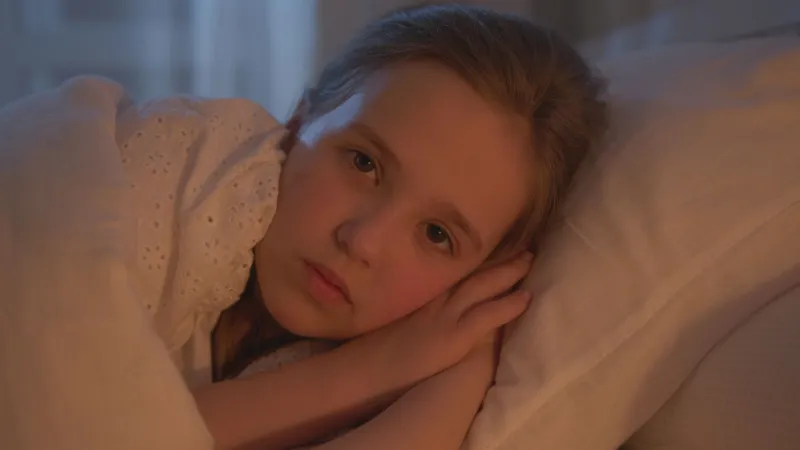
It's 11:30 p.m. on a Tuesday. Somewhere across America, a ten-year-old is still awake — not because she's defiant, not because she's irresponsible, but because her brain simply won't let her rest. Maybe it's the glow of a tablet she sneaked under the covers. Maybe it's the low hum of anxiety about tomorrow's math test. Maybe it's the noise bleeding through thin apartment walls, or the stress that fills a home stretched too thin by financial pressure. Whatever the reason, when the alarm drags her out of bed six hours later, something important will have been lost.
This isn't a one-kid story. It's happening in suburbs and cities, in farmhouses and apartment complexes, coast to coast. According to the American Academy of Sleep Medicine, a staggering number of school-age children are chronically sleep-deprived — and the ripple effects touch everything from how they learn to how they feel to how they grow.
How Much Sleep Do Kids Actually Need?
Before diving into what's going wrong, it helps to know what "enough" looks like. The American Academy of Pediatrics recommends that school-age children (6–12 years) get 9 to 12 hours of sleep per night, while teenagers need 8 to 10 hours. Toddlers and preschoolers need even more.
Now consider this: surveys consistently show that a majority of American kids aren't hitting those numbers — not even close. Many middle and high schoolers are averaging six hours or fewer on school nights. That gap between what kids need and what they're actually getting isn't a minor inconvenience. It's a health crisis.
The Usual Suspects — and a Few Surprising Ones
When most parents think about why their kid isn't sleeping, screens come to mind first — and they're not wrong. The blue light emitted by phones, tablets, and gaming devices suppresses melatonin production, essentially tricking the brain into thinking it's still daytime. But screens are just one piece of a much messier puzzle.
Anxiety is a massive, and often underestimated, sleep thief. Kids today are navigating academic pressure, social comparison amplified by social media, and a world that often feels unpredictable and scary. Anxious thoughts don't clock out at bedtime. For many children, the quiet of night is actually when worries get loudest.
Overscheduling plays a role too. When a kid goes from school to soccer practice to tutoring to dinner to homework and finally collapses into bed at 10 p.m., their nervous system hasn't had a chance to wind down. The body needs a transition — a buffer between "go" mode and genuine rest.
Then there are the socioeconomic factors that don't get talked about nearly enough. Families living in poverty or housing insecurity face sleep disruptions that wealthier households simply don't. Overcrowded homes, noisy neighborhoods, inconsistent schedules tied to shift work, and chronic stress in the household all make quality sleep harder to come by. A child sharing a bedroom with three siblings, or whose parent works a night shift and comes home in the early morning hours, faces sleep challenges that no bedtime routine checklist is going to fix.
Even something as seemingly unrelated as food insecurity can interfere with sleep — hunger is a powerful disruptor, and kids who go to bed uncertain about tomorrow's meals carry that stress into the night.
What Sleep Deprivation Actually Does to a Child
This is where it gets serious — and where the stakes become impossible to ignore.
On the academic front, sleep is when the brain consolidates memories and processes what it learned during the day. A sleep-deprived child isn't just tired in class; their ability to retain information, solve problems, regulate attention, and manage frustration is genuinely compromised. Research has linked chronic sleep loss to lower grades, increased ADHD-like symptoms, and higher dropout risk.
For mental health, the connection is even more direct. Sleep deprivation and anxiety feed each other in a vicious cycle — poor sleep worsens emotional regulation, which increases anxiety, which makes sleep harder. Studies have found that chronically sleep-deprived adolescents are at significantly higher risk for depression, self-harm, and suicidal ideation. That's not alarmism; that's the data.
Physically, the damage is just as real. Growth hormone is primarily released during deep sleep — meaning kids who consistently miss out on restorative rest may face consequences for their physical development. Immune function takes a hit too, leaving sleep-deprived children more vulnerable to illness. And the metabolic effects of poor sleep — including disrupted hunger hormones — have been linked to childhood obesity.
In short, sleep isn't downtime. It's when some of the most critical work of childhood actually happens.
What Families Can Do — Starting Tonight
Here's the good news: there are real, evidence-backed strategies that can make a meaningful difference, and many of them don't require expensive gadgets or a perfect home environment.
Create a consistent sleep schedule, even on weekends. The body's internal clock thrives on predictability. Letting kids sleep in two hours on Saturday might feel kind, but it throws off their rhythm for the whole week. Consistency — within about 30 minutes of the same bedtime and wake time — is one of the most powerful tools families have.
Build a wind-down window. Aim for 30 to 60 minutes before bed that's genuinely low-stimulation. That means screens off (yes, really), and activities that signal to the nervous system that it's time to slow down — reading a physical book, gentle stretching, a warm bath, or quiet conversation. Even 20 minutes of this can make a noticeable difference.
Take the screens out of the bedroom. This one's hard, especially for older kids, but it matters. Charge phones in a common area overnight. If a child needs music or white noise to sleep, a basic speaker or a simple white noise machine can fill that gap without the temptation of scrolling.
Address anxiety directly. If a child is lying awake with a racing mind, dismissing it or telling them to "just relax" won't help. Talk with them about what's worrying them. Simple breathing exercises — like breathing in for four counts, holding for four, and exhaling for four — can help activate the parasympathetic nervous system and ease the body toward sleep. For kids with significant anxiety, it's worth talking to a pediatrician or counselor.
Advocate for later school start times. This is a community-level issue, not just a household one. The American Academy of Pediatrics has recommended that middle and high schools start no earlier than 8:30 a.m. — a shift that research shows improves attendance, grades, mental health, and even teen driving safety. If your school district hasn't made this change, parent voices matter.
For families facing real resource constraints, it's worth knowing that some of the most effective sleep supports are free: consistent schedules, darkening windows with whatever's available, using earplugs or free white noise apps, and creating a calming pre-bed ritual. Community health centers and pediatricians can also be allies in identifying whether a child has an underlying sleep disorder — like sleep apnea or restless leg syndrome — that needs medical attention.
Every Kid Deserves to Wake Up Ready
At Sun Child, we believe that every child deserves the chance to show up fully — in the classroom, in their friendships, in their own skin. Sleep isn't a luxury. It's a foundation. And when that foundation is crumbling, everything built on top of it becomes unstable.
The good news is that sleep is also one of the most recoverable aspects of a child's health. With the right support, the right environment, and a community that takes this issue seriously, kids can get back the rest they need — and with it, so much of the potential that sleepless nights have been quietly stealing away.
Tomorrow morning, they deserve to wake up ready. Let's help make that possible.