Sorry Isn't the Finish Line: Raising Kids Who Can Repair Without Falling Apart

Photo: Masaccio, Public domain, via Wikimedia Commons
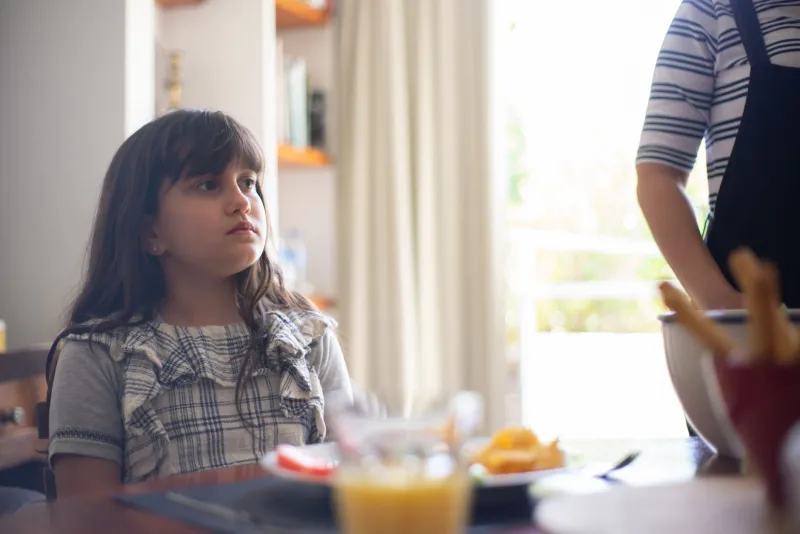
You've seen the scene. Aisle seven of the grocery store, a display of stacked cans, and a seven-year-old who just backed into it. The parent hisses, low and urgent: “Say sorry.” The kid mumbles something at the floor tiles. The parent says it again, louder. The kid repeats the mumble. Everyone leaves embarrassed, and absolutely nothing has been repaired — not the cans, not the relationship, not the kid's understanding of what just happened.
Here's an unpopular opinion from someone who has been that parent in aisle seven: the forced apology is one of the least effective things we do to children, and we do it constantly.
Why “Say Sorry” Backfires
An apology, when it's demanded and scripted and delivered under threat of embarrassment, isn't accountability. It's a performance. The child learns that the goal is to produce the correct sound so the adult will stop staring, and the lesson ends there.
Worse, it can teach the wrong lesson entirely. Psychologist June Tangney's research on shame and guilt draws a distinction worth taping to the refrigerator. Guilt says: I did something bad, and I can fix it. Shame says: I am bad, and I should disappear. Guilt is useful. Guilt motivates repair. Shame just makes a kid defensive, secretive, or flattened.
When we corner a child in public and force a mumbled apology, we're not building guilt. We're building shame — the exact feeling that makes people hide mistakes instead of fixing them.
Repair Is a Muscle, Not a Personality Trait
Nobody is born knowing how to make amends. It's a skill, like parallel parking — awkward at first, smoother with practice, and genuinely useful for the rest of your life. Your kid isn't bad at apologies because they're selfish. They're bad at apologies because they've had roughly four opportunities to practice, all of them under pressure.
The goal isn't a child who apologizes instantly. The goal is a child who, at eighteen or twenty-eight, can say “I messed up, here's what I'm doing about it” without their whole identity collapsing. That's a muscle. Muscles get built with reps, not ultimatums.
The Four-Part Script
This is the version we use at home, borrowed from about six different parenting books and one very patient school counselor. It's short enough to remember in the moment and flexible enough for a five-year-old or a fifteen-year-old.
1. Name the thing. Out loud, without editorializing. “You knocked over the tower your brother was building.” No adjectives. No “you always.” Just the facts, delivered in a neutral voice.
2. Own it. “That was my choice” or “I did that.” The ownership has to be first person. This is the step that gets skipped, and it's the whole ballgame.
3. Say the effect. “It took him twenty minutes and now he's upset.” This is where empathy actually gets built — not by being told to feel something, but by being asked to look at what happened on the other side of the room.
4. Offer or ask for the fix. “Do you want help rebuilding it?” or “What would make this better?” Notice that this isn't the same as saying sorry. Often the repair is more valuable than the apology, and kids find it much easier to do.
The words “I'm sorry” fit in neatly between steps three and four — but they arrive as a conclusion, not as the opening act.
In practice, it sounds like this: “I knocked your tower down on purpose because I was mad. It took you a long time to build and now you're upset. I'm sorry. Do you want me to help you rebuild, or do you want to be alone for a minute?”
That's a real apology. It's also a small piece of emotional infrastructure your kid will use for the next sixty years.
Make It a Family Habit, Not a Punishment
The reason this script works is that it gets used all the time, not just in crisis. In our house it shows up for spilled juice, for snatching a controller, for someone being rude at breakfast. Low stakes, high frequency — that's how a muscle gets built.
And here's the part that surprises people: it has to run uphill, too. If you yell at your kid about the backpack, you run the sequence. “I yelled about the backpack. That was my choice, and it wasn't fair to bring that much heat over a bag. It probably made you feel small. I'm sorry. I'm going to try to catch it earlier tomorrow.”
That's not weakness, and it's not losing authority. It's a live demonstration that mistakes are survivable, that accountability isn't humiliating, and that the family has a way to get back to normal. Kids who watch their parents repair learn that repair is normal.
When Your Kid Digs In
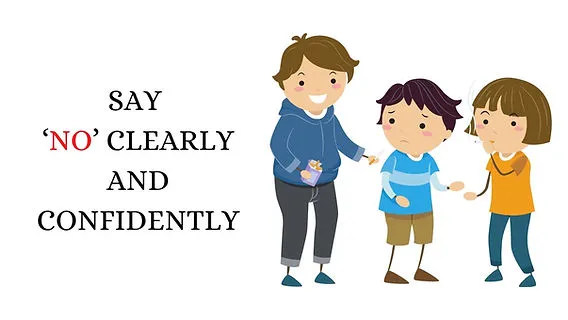
Sometimes they refuse. They cross their arms, they say “no,” they glare. The instinct is to escalate, because a refusal feels like defiance.
Usually it's shame. The kid has already decided they're a bad person and is now defending against confirmation. Pushing harder confirms it.
So don't push. Give it time. “Okay. We'll come back to this after dinner.” Then actually come back. And if the words are still stuck, do the repair together instead — go help rebuild the tower, hand over the replacement juice, walk back into the store to tell the manager together. Action often unlocks language, not the other way around.
One more thing: keep the deed separate from the person. “You broke it” is a sentence about an event. “You're the kind of kid who breaks things” is a sentence about a human being, and it's one they'll carry around for a decade.
Don't Let the Apology Be the End
Our culture treats “sorry” as the closing credits. It isn't. The apology is the door; the repair is the room.
Forcing the words might get you a quieter grocery store aisle today. Building the muscle gets you a kid who, at twenty-six, can look at a friend and say “I handled that badly, and here's what I'm going to do.”
That kid is worth a few extra minutes in aisle seven.